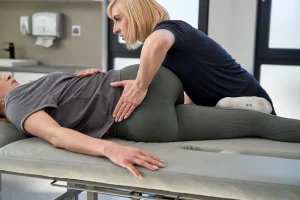
Lower back pain can change the way you approach an ordinary day. Getting dressed takes longer. Sitting feels uncomfortable. You start wondering whether bending down will make things worse.
The first step is understanding what is happening and what you can reasonably do about it. A clear explanation is more useful than a long list of movements to avoid.
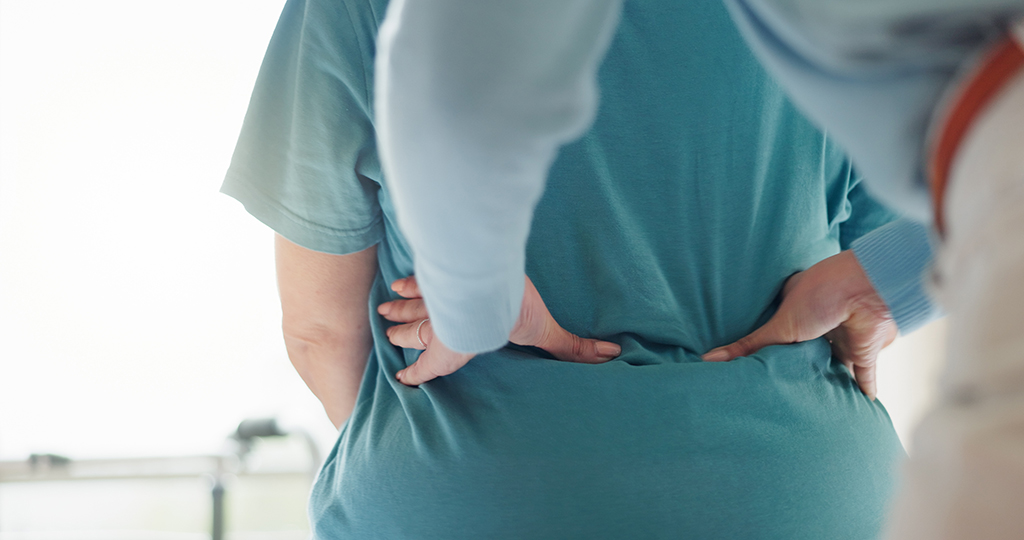
Why the cause of lower back pain is not always obvious
There are several possible causes, and it is not always possible to identify one particular structure. The location or intensity of pain alone does not tell you exactly what is wrong.
At an assessment, we want to hear how it started, what changes your symptoms and how it affects your life. Your medical history matters too. Those details help us decide whether physiotherapy is appropriate or you need another type of assessment.
Start with manageable movement
For many people, staying active is part of recovery. That might mean a shorter walk, changing position regularly or adjusting a task rather than stopping it altogether. Long periods in bed are generally unhelpful.
There is no universal set of exercises that suits every back. Choose a manageable starting point and get advice if symptoms worsen or you are unsure what is appropriate. A pharmacist or GP can advise on suitable pain relief.
What a useful plan for lower back pain looks like
A good plan connects treatment to something that matters to you. Perhaps you want to sit through a meeting, pick up your child or return to the gym.
We can use those goals to agree what to work on and how to review progress. Depending on the assessment, that may involve exercise, advice about activity and hands-on treatment. NICE recommends that manual therapy for low back pain forms part of a package that includes exercise.
Ask how you should judge your progress and what to do if symptoms flare. You should leave knowing the next step, rather than feeling you need to protect your back from every normal movement.
When to get medical help
Arrange a GP review if pain persists, disrupts daily life or comes with unexplained weight loss or night pain. Seek urgent GP or NHS 111 advice if you feel unwell or pain becomes severe suddenly or worsens quickly.
Call 999 or go to A&E for new bladder or bowel changes, numbness around your genitals or anus, symptoms in both legs, or back pain after a serious accident.
If back pain keeps getting in your way, explore our back pain support or book an assessment to discuss it properly.