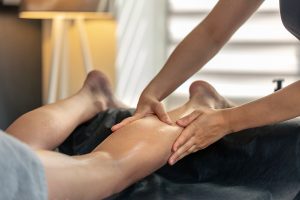
Sports massage and what you can expect
You don’t need to be training for an event to book a sports massage. Here’s what it involves and when an assessment should come first.

Understanding what’s going on can make a big difference when you’re dealing with pain, injury or recovery.
The Summit Physio blog brings together practical advice on physiotherapy, rehabilitation, running, strength, recovery and movement.
Whether you’re trying to understand a new problem, get back to sport or make better decisions about your training, you’ll find straightforward guidance from the Summit team.

You don’t need to be training for an event to book a sports massage. Here’s what it involves and when an assessment should come first.
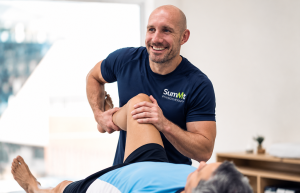
Knee pain can spoil running long before it stops you. Here’s what to look at, why not to push through it and how to plan your return.

Lower back pain can change an ordinary day. Here’s why the cause isn’t always clear, how to keep moving and what a useful plan looks like.
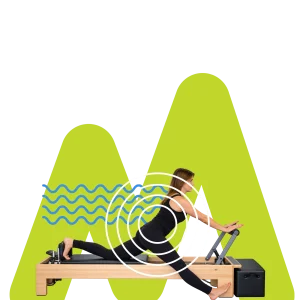
Reformer Pilates suits guided exercise for movement, strength and control. Here’s what a session involves and who delivers it.

Strength training can start with a movement that matters to your day. Here’s how to choose a starting point and progress with a reason.
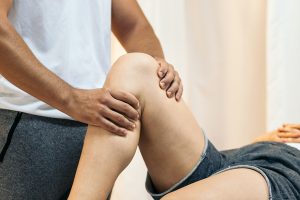
Before booking shockwave therapy, it helps to know why it’s suggested. Here’s what the evidence means and how it fits into wider care.

We want to know why the problem is affecting you before deciding what to do about it.
You should understand your treatment and be involved in the decisions around it.
Your rehabilitation should reflect your body, lifestyle and goals.
Getting rid of today's symptoms is only part of the picture.
Our clinicians learn from each other and continue developing so our approach moves forward too.
From two physiotherapists with an idea in 2006 to a multidisciplinary team working across Chorley, Wrightington and Manchester today, Summit has grown considerably.
But the purpose hasn’t really changed.
Understand the person.
Understand the problem.
Build the right plan.
Help them move forward.
Reading about the problem can be a useful first step.
If pain, injury or recovery is still getting in the way, we can assess what’s happening and help you decide what to do next.