
You do not need to be training for an event to ask about sports massage. You might feel uncomfortable after exercise, spend much of the day at a desk or want to discuss muscular tightness that keeps returning.
Before choosing a treatment, it helps to be clear about the problem you want it to address. A session should have a purpose you understand.
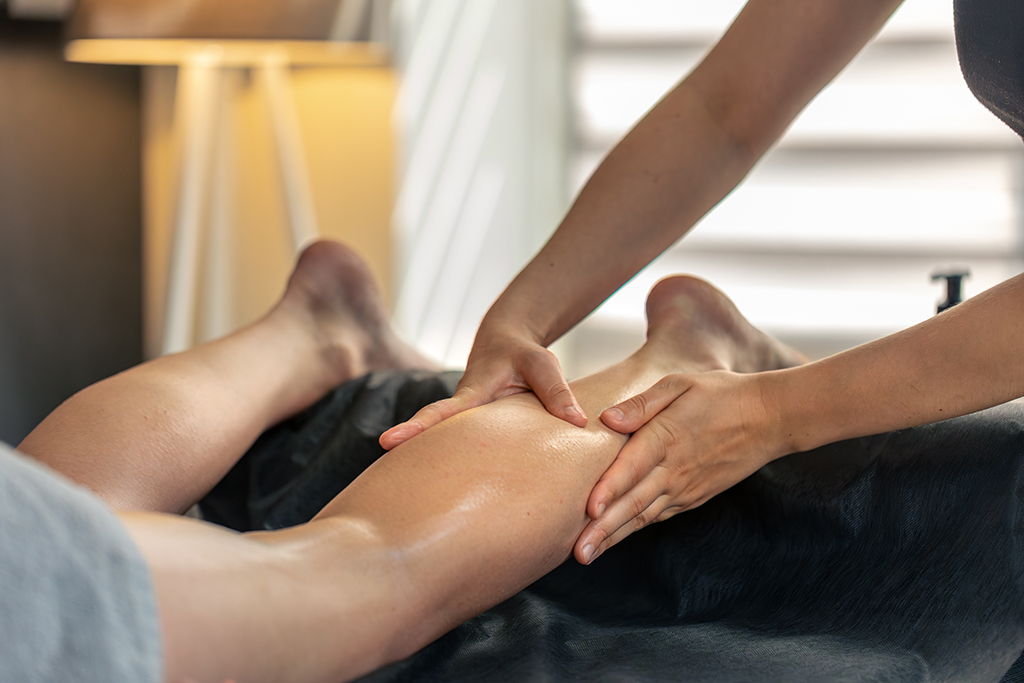
What sports massage involves
Massage uses hands-on techniques applied to soft tissues. The area treated, pressure and approach should reflect your symptoms, health history and preferences.
The conversation matters as much as the technique. Tell your therapist about recent injuries, surgery, medicines and health conditions. You should be able to ask questions, decline a technique or request less pressure at any point.
What sports massage may help with
Research suggests massage may provide short-term relief for some types of pain, although the evidence and duration of benefit vary. It should not be presented as a guaranteed way to prevent injury or resolve every cause of discomfort.
If symptoms keep returning, it is worth asking whether you also need an assessment and a plan for activity or exercise. For low back pain, NICE recommends manual therapy only as part of a treatment package that includes exercise.
More pressure is not the goal
The useful measure is whether the approach suits you and helps with the agreed aim. You should not feel that you need to tolerate severe pain to make the appointment worthwhile.
Discuss how you feel during treatment and what response to expect afterwards. If you are uncertain about a symptom, mention it rather than waiting until the session is over.
When assessment should come first
A new injury, unexplained swelling, persistent weakness or altered sensation may need assessment before massage. Suspected blood clots, infection or significant injury require medical care.
Tell the therapist if you bruise easily, take blood-thinning medication or have a condition that affects bone strength. This information helps them decide whether massage is suitable or should be modified.
Choosing the next step
If you are unsure whether to book massage or physiotherapy, explain what is happening when you contact us. A clear description of the symptoms and your goal helps us guide you towards an appropriate appointment.
Explore our sports massage service or physiotherapy assessments. We will discuss what is suitable, what you can expect and whether any further support may be useful.
Further reading: NIH NCCIH 1 · NICE 2