A day at a desk can leave your neck feeling stiff and your back uncomfortable. You may catch yourself adjusting the chair again, wondering whether you are sitting incorrectly.
A comfortable setup is useful, but it needs to work alongside a routine that lets you change position. Spending the whole day trying to hold yourself rigidly is unlikely to be a practical solution.
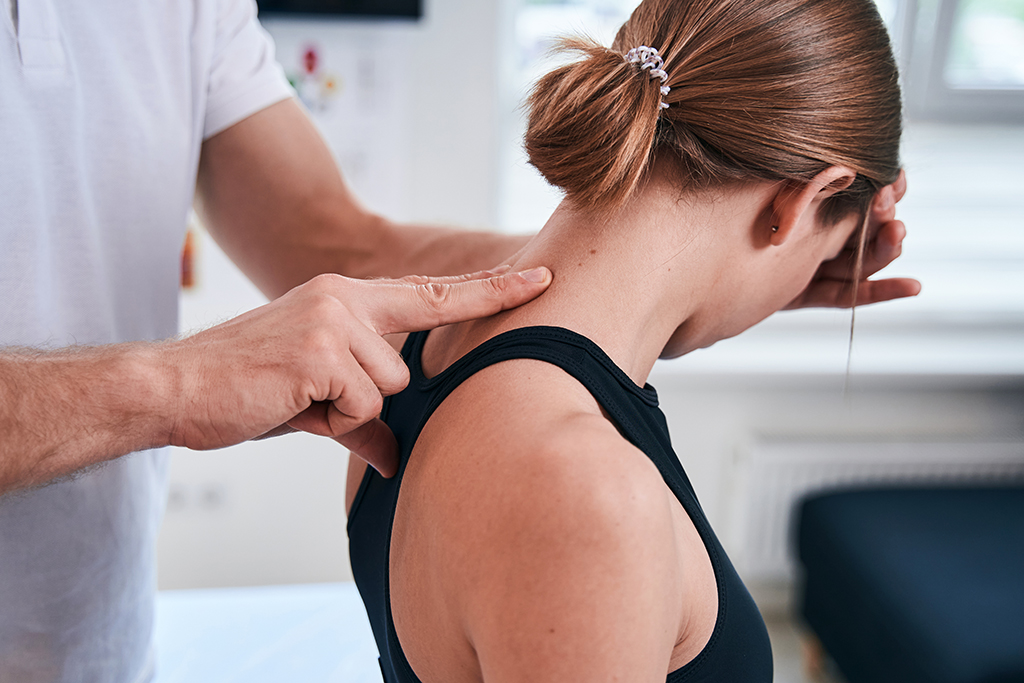
Make working at a desk easier on your neck and back
Start with the equipment you reach for most. Can you use the keyboard and mouse without stretching? Is the screen easy to see? Can your feet rest comfortably while you work?
If you spend long periods on a laptop, consider whether a separate keyboard and mouse would let you position the screen more comfortably. Ask your employer about a display screen equipment assessment where appropriate.
There is no need to buy everything at once. Make a sensible adjustment, then notice whether it makes working easier. A new chair should solve a specific problem, rather than act as a promise that discomfort will disappear.
Build movement into working at a desk
Look for natural opportunities to interrupt long stretches at the desk. You might stand for a short phone call, walk to get a drink or change tasks between meetings.
The useful routine is one you can actually follow. A reminder on your calendar may help more than an ambitious exercise programme you never get time to do. Keep movements comfortable and avoid forcing your neck into a stretch.
Bring more than your chair to a neck and back assessment
If symptoms persist, tell us about your working day, commuting, sleep and other activity. Let us know whether discomfort stays around the neck or back, or travels into an arm or leg.
It can help to bring a photograph of your workspace. We can discuss what might be worth changing and whether an exercise plan would be appropriate. The aim is to make your day more manageable, with advice you understand.
When to seek medical advice
See a GP if neck pain persists for several weeks or comes with pins and needles or a cold arm. Seek prompt assessment for new weakness or worsening numbness. Sudden severe symptoms, symptoms after a serious accident or feeling very unwell need urgent medical advice.
For back pain, new bladder or bowel changes or numbness around your genitals or anus need A&E or 999.
Explore our neck pain support or contact us if desk discomfort keeps interrupting your day.