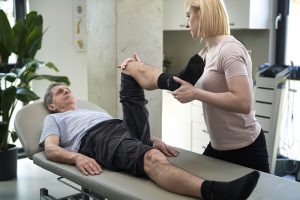
Leaving hospital can be a relief, but it also brings practical questions about physiotherapy after surgery. How much should you walk? Which movements are allowed? When can you return to work?
The answers depend on the operation and your individual recovery. Your surgeon’s instructions and discharge guidance should form the starting point for any rehabilitation plan.
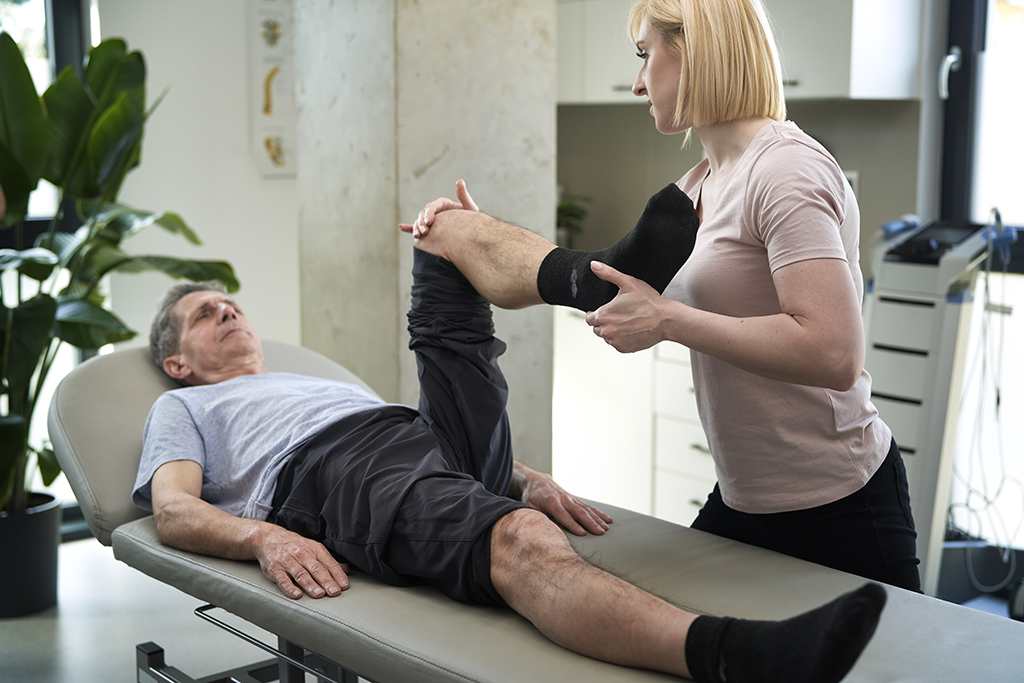
Bring the right information to physiotherapy after surgery
Share your discharge letter, exercise instructions and any restrictions with your clinician. Let them know about follow-up appointments, changes to medicines and any concerns raised by the hospital team.
If you have not been told when to begin physiotherapy, ask your surgical team. Some procedures require carefully timed movement or protection of the repaired area. A general online programme cannot account for those details.
Set goals for life at home
Early goals might involve getting around the house, using stairs or finding a manageable routine. Later goals may include work, driving or sport, subject to appropriate advice and clearance.
Tell us what your home and working day involve. Carrying equipment, caring for children or living with stairs can make a difference to the practical support you need.
Progress physiotherapy after surgery within agreed limits
Rehabilitation may involve movement, strength and gradually rebuilding tolerance for daily tasks. The order and pace should reflect the procedure, symptoms and medical guidance.
Ask what you are allowed to do between appointments and which changes should prompt a call. If instructions from different people seem to conflict, raise the question before progressing. It is better to clarify the plan than guess.
Recovery does not follow exactly the same timetable for everyone. Reviews should consider what you can do, how symptoms are changing and whether the plan remains appropriate.
Recognise symptoms that need medical care
Contact your surgical team or seek urgent medical advice for concerns about the wound, fever or worsening symptoms. Follow the emergency instructions in your discharge information.
New pain and swelling in one leg, warmth or skin colour changes can indicate a blood clot and need urgent GP or NHS 111 advice. If these symptoms occur with breathlessness or chest pain, call 999.
Arrange support that fits your situation
If travelling is difficult, ask whether a home visit is appropriate and available. Explain the operation and your current mobility when you contact us so we can discuss a suitable appointment.
Our pre and post-surgery rehabilitation service can support an individual recovery plan. Find out about home visits or contact Summit to discuss the information we need before your appointment.