Shin pain when running can begin as something you notice towards the end of a session. Because it seems manageable, you carry on. A few sessions later, it is affecting more of the route.
“Shin splints” is a common description for exercise-related shin pain, but not every painful shin has the same cause. Getting the symptoms assessed is more useful than assuming they are part of becoming a runner.

Look at what changed in your running before the shin pain
Think about the last few weeks. Have you started running again, increased the distance or added hills and faster sessions? Include sport, walking and work that keeps you on your feet.
Your shoes and running surfaces may also be worth discussing. There is no need to decide which factor is responsible before asking for help. An assessment brings those details together with an examination.
Stop the exercise that is causing pain
NHS advice for shin splints is to stop the activity that caused the symptoms and return gradually as you recover. Repeating a painful session is not a useful way to check whether it is improving.
Ask about alternatives that are appropriate for you. A less demanding activity may help you maintain a routine, but it should not reproduce the same pain. Avoid turning a pause from running into a sudden increase in another demanding sport.
What an assessment can help establish
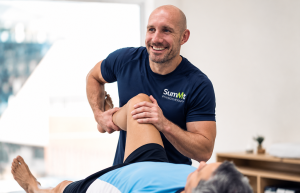
We will ask about the exact location and pattern of pain and may assess the leg, strength and relevant movements. The aim is to decide whether rehabilitation is appropriate or further medical investigation is needed.
Tell us if pain is becoming more localised, occurs during ordinary walking or is present at rest. Those details matter when considering causes beyond straightforward shin splints.
Return to running after shin pain with a clear starting point
Once you have been advised that returning is appropriate, agree a manageable session and how to progress it. You should know which symptoms mean you need to stop or arrange a review.
The plan may include exercise and changes to training. No fixed percentage increase works for everyone, and the distance a friend can manage is not a reliable guide to your recovery.
Seek urgent advice from NHS 111 for severe shin pain or pain following an injury. Worsening or persistent symptoms also need medical review rather than repeated self-treatment.
Our sports injury service can help you understand your options. If useful, running analysis can support the wider assessment and return plan.